The Ethical Dilemma of Influencer Marketing

Ethics and privacy was a huge discussion in this week’s class. Since influencer marketing has been a theme previously discussed, I thought it’d be apt to delve a little deeper into this topic and explore it collectively with another frequently mentioned platform in my posts – Instagram.

Instagram, as you know, is the most widely-used and effective platform used by influencer marketers to reach millennials like myself.

Personally, a post tagged as #ad #advertisement #sponsored and so on, has limited effect on my receptivity to the posts’ content. This is especially so if the influencer is someone I followed many years ago and therefore, is likely one whom’s opinion I trust and respect. One such example would be Zoe Sugg, better known as Zoella. Regardless of the content she has posted (sponsored or not), I believe that the weaves from homescents are the best – because this has been said over and over again in the last 10 years! This goes to show how genuine her feelings are toward the brand, with or without the hashtag #ad.

But, what happens when the product that these influencers are promoting relate to something more personal – say health supplements like SugarBearHair promoted by popular influencers like Kylie Kardashian, James Charles and even actress Vanessa Hudgens?

Image result for sugarbearhair
Image result for sugarbearhair james charles
Image result for sugarbearhair

Health supplements like these could cause potential side effects including rash, headaches and nausea as claimed by some. A lab test (start video at 3.04) even showed that this 7 out of 11 of the nutrients listed in this highly raved supplement were inaccurate by at least 20%.

Perhaps the big question today shouldn’t revolve on how listing #ad alters reactions anymore. Perhaps it’s time we move on to think about setting restrictions for the types of products advertised, rather than plastering a one-size fit all rule on influencers. This is especially so if one considers #ad to be the new normal, which could be dangerous for products like Sugar Bear Hair as such normalcy could turn to complacency – leaving consumers oblivious and indifferent to sponsored posts.

Comment below what you think could be done for sponsored posts!
Does Sephora Optimise Omni-channel Marketing?

Omni-channel approach provides customers with an integrated seamless experience. This may be from shopping at brick and mortar stores to online via mobile or desktop.

Image result for sephora logo

Sephora, one of my favourite brands out there, and its mobile application cum Beauty Insider Program is a key reason why I’d consider it as one of the top brands that have succeeded at optimising omni-channel marketing.

Apart from conducting beauty workshops, to holding complimentary makeovers, this beauty giant uses the application and Beauty Insider Program to connect customers’ in store and online experiences.

For one, the brand has recognised that both show-rooming and web-rooming occurs (since makeup, skin care and beauty items are typically pricey and considered luxurious items). Hence, their mobile application is designed to connect customers’ in store and online experiences in such a way that encourages them to make a purchase either online and/or in stores.

Customers can read reviews and even try on lipsticks, foundations, blushers, highlighters and so on with the Virtual Artist function in the comfort of their own homes after an immediate review they’ve seen on the web. They can save it onto their wish-list and visit the stores for a physical purchase. Otherwise, a customer who visits the store is able to refresh their memory of how the product looks on them and make the purchase via the app.

Essentially, Sephora has helped their customers narrow their options and keep track of the products they like using the application, while keeping in mind of the diverse shopping habits their customers have.

In essence, marketers ought to use omni-channel marketing to deliver a consistent and effective brand message. Sephora has done so by embracing the differences amongst its large clientele while sending the message that “every stroke, swipe and dab reveals possibility” (even if it’s done online).

Instagram’s Biggest Taboo

A few weeks back I’d written on Influencer Marketing in addition to the reasons and repercussions of Instagram hiding its “like” feature.

This week, I’d like to introduce Instagram’s Biggest Taboo – Fake Followers.

We’re all susceptible to fake followers on Instagram, even celebrities like Kim Kardashian and BTS whom reportedly have the most number of fake followers are not excluded from the mix. In 2019 alone, Cheq projects predict that fake followers will cost brands $1.3 billion as they are essentially paying more to reach a non-existent pool of people.

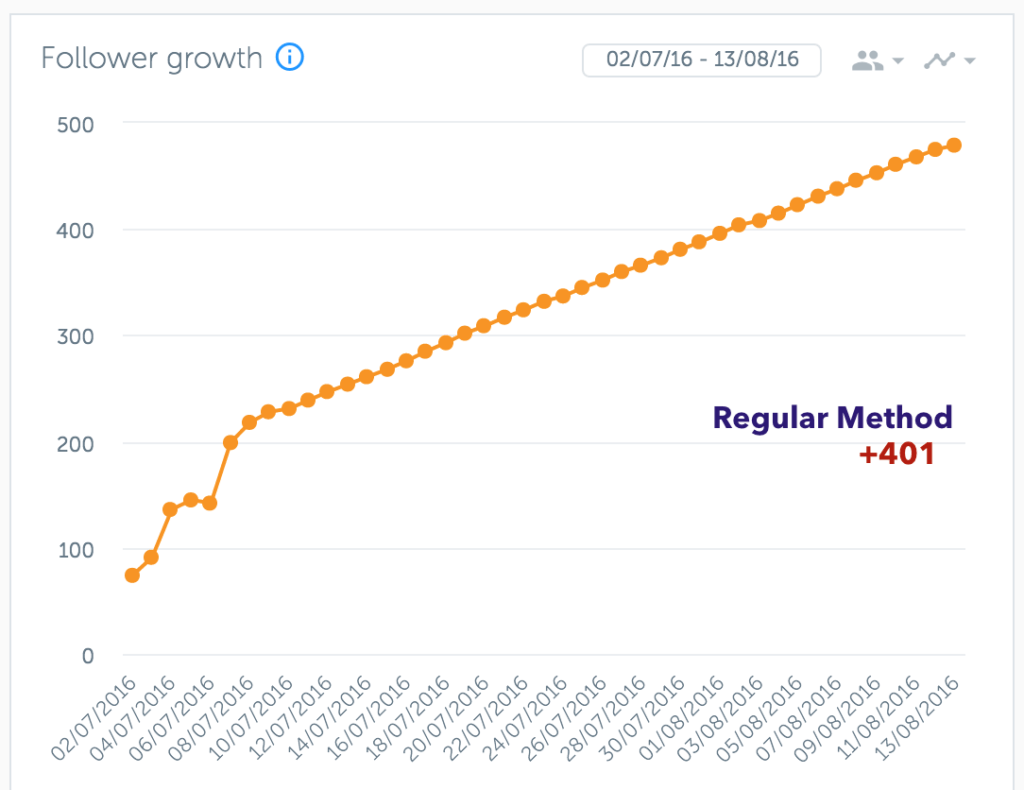
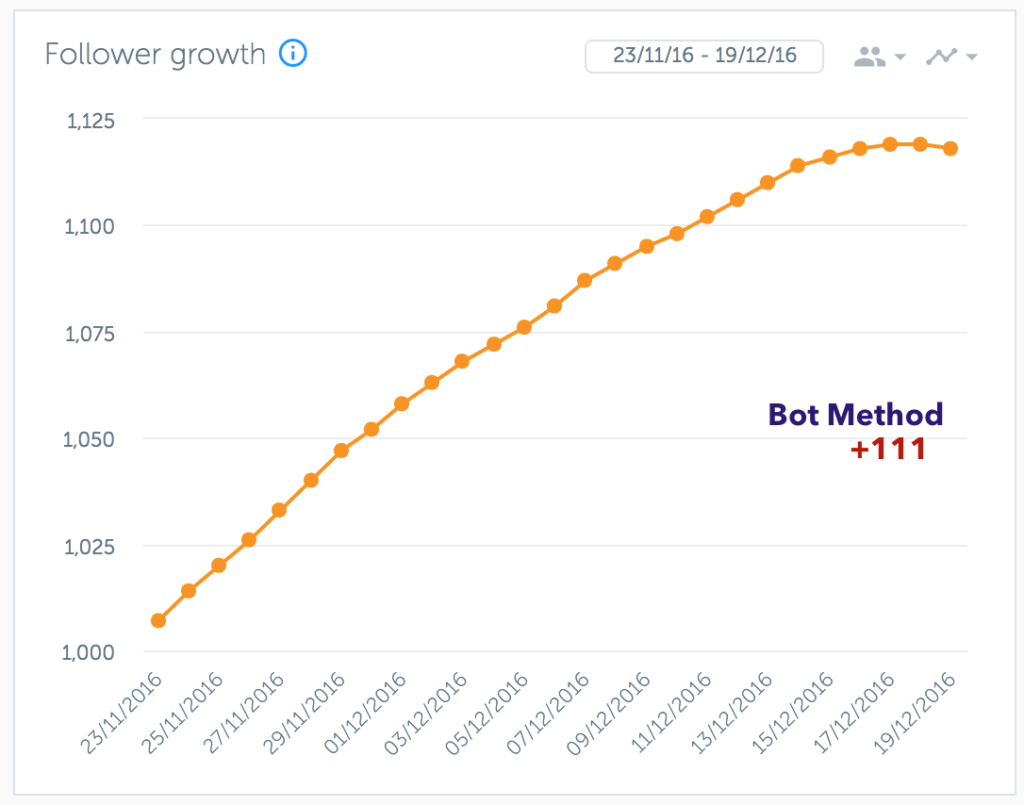
Here’s a comparison between the growth of followers organically, and that of a bot.

pasted image 0 728
pasted image 0 738

Consequently, with the removal of likes from Instagram’s features, brands would most possibly turn to followers as a gauge of an influencer’s reach. This could further aggravate problem and the costs that brands incur in their influencer marketing campaigns.

While tools like IG Audit and FakeCheck Co exists to empower brands to detect fake followers, we do not expect this taboo to disappear anytime soon. Brands ought to go further, and consider using contracts that protect themselves – making these influencers promise that they have not participated in the purchase of fake followers, or bot creations.

That said, perhaps it’s also time for brands to consider using other metrics for measuring (and paying for) an influencer’s engagement and reach. Affiliated links could be one way to go. In other words, brands may consider paying influencers a lower base rate and providing incremental pay for successful sale conversions. Of course, this is provided that sale conversion is the purpose of engaging with an influencer.

Apple’s User Generated Content

I remember when Apple launched its iPhone7 and not long after its iPhoneX series, a ton of content from their #ShotOnIphone campaign flooded the internet – from Instagram to YouTube.

'ShotOniPhone' Apple UGC Campaign

It was clear that Apple wanted to send a strong message – that their cameras’ quality had not degraded, and are still functional for both new and old users alike.

The ShotOnIphone campaign encapsulated a challenge where shots taken by 10 iPhone users were featured on Apple’s billboards around cities, at their flagship Apple Stores and even on their online webpage. These winners hauled from Singapore, Germany, Belarus, Israel and USA, just to name a few. Here’s a winning shot by Darren Soh, a fellow Singaporean!

Shot on iPhone XS Max by Darren Soh

By leveraging on such UGCs, Apple had gone beyond strengthening its product’s (camera function) reliability. They grew their fan base even further – creating even more loyal brand advocates who hold the same beliefs. These consumers that resonate with Apple’s vision are excited to be able to share what they see and feel about the brand to the rest of the world.

Ultimately, these UGCs served as authentic testimonials to Apple that helped regain the trust amongst “disbelievers” who were growing tired of Apple’s lacklustre camera quality that paled in comparison with up and coming competitors like Samsung and Oppo.

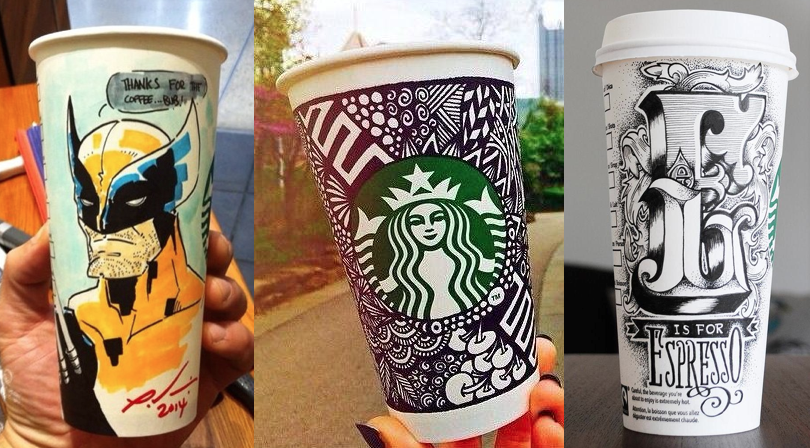
I, however, recognise that it’s not possible for all business (especially smaller ones) to do what Apple has done, or what Starbucks had done with its WhiteCup Contest in 2014

Starbucks White Cup Contes

So here’s what smaller businesses can do to maximise the use of UGCs:
1. Invite them to write a review, and REWARD them for doing so.

Like Vault Brewery, business can invite customers to write a review on the most frequented social platforms after they’ve made a purchase. Businesses can go further and give them a reward for doing so. An example would be a 10% discount on their next purchase!

So smaller businesses can maximise the use of UGCs by inviting customers to write a review, and REWARD them for doing so.

vault-review

Like Vault Brewery, business can invite customers to write a review on the most frequented social platforms after they’ve made a purchase. Businesses can go further and give them a reward for doing so. An example would be a 10% discount on their next purchase!

Can you think of other ways small businesses can utilise UGCs to engage their customers?

Apple’s New iPhone 11 and iOS13…so what?

Apple’s annual iPhone reveal took place on 10th September, Wednesday.

As usual, mixed reviews on this impending drop began floating around the web. You might have even seen some of these interesting memes:

Apart from the revamping its camera, Apple’s iPhone 11 will also have new features like Audio Zoom and enhancements like an upgrade to IP68 standards.

What’s important for marketers however, are not what’s on the outside of the phone. But, inherently it is the new iOS13 that will change how marketers advertise.

Change #1: Relevance of Location Based Advertising
With iOS13, user privacy is reinforced with the option of “Allow just once” location settings of both Wi-Fi and Bluetooth. This means that advertisers who utilise location based advertising and beacon advertising will have lower precision. Measuring footfall traffic could also be an issue. Small cafes who use Google Ads to target consumers near a Mall, for example, would find it more challenging to do so. Essentially, this change questions the relevancy location based advertising in marketing.

Change #2: Lesser Spam, Lesser Sales?
iOS13 is set to introduce the “Sign in with Apple,” feature, which creates encrypted emails for sign-ins on both apps and websites such that consumers stop receiving spam mails from services. Marketers who traditionally, have been using spam mails to reach a target audience may see a decline in their sales. This could mean that advertisers might have to find new ways to inform consumers of their “20% off” or “11/11 Single Day Events”, if they want to prevent the dip in sales.

All in all, marketers must learn to adapt to these changes, especially since there are close to 728 million iPhone users in the world.

The Customer Journey – Dead or Alive?

Google the term “Customer Journey” and a bunch of articles will appear. From definitions, to infographics listing a step-by-step guide and multiple articles explaining its significance.

Given the emphasised importance of the customer journey map, I began to ponder on the efficacy of this tool – is it dead, or is it alive?

The customer journey is dead because buyers now have unlimited buying options with various avenues to collect information. This makes it challenging for marketers to track their routes that has now been filled with unlimited variations. For instance, I used to hear about new makeup products from advertisements on TV and continued my search in brick and motar stores and read reviews via Google (or makeupalley.com).

These days, I’ve become aware of new makeup products even before their official launch, as brands provide PR packages to influencers who showcase them via IG TV, Youtube Channels or simply their stories on Facebook and Instagram. These videos are also typically accompanied by reviews, swatches and first impressions. What this illustrates is that a customer no longer follows a single journey. Thus, having preconceived notions on what customers’ next steps would be based off assumptions will inevitably lead marketers toward failure. All in all, there is no real and linear customer journey.

So, how do marketers keep the Customer Journey alive?

While we ponder on the hows, perhaps marketers like ourselves ought to remember the essence of marketing – that is to create a relationship between brand and consumer. Whether or not the customer journey map tactic is alive and well, establishing an emotional connection leading to strong emotional loyalty is what will help marketers adapt to the changing trends within the industry.

Instagram Hides Likes – Reasons and Repercussions

In mid-July 2019, Social Media Giant Instagram removed the visibility of likes for selected users in 7 countries namely Australia, Brazil, Canada, Ireland, Italy, Japan and New Zealand. This means that while users are still able to see their own likes, they can’t see that of others.

Image result for cant see gif

“We hope this test will remove the pressure of how many likes a post will receive, so you can focus on sharing the things you love”, said Mia Garlick, Facebook’s director of policy in Australia and New Zealand. Hence, it suggests that this move is in response to the Facebook-owned social media platform’s strategy of gradually introducing/revamping policies to minimise and even eliminate bullying on the application. Further justification may include the 2017 Study by Royal Society for Public Health which highlighted Instagram as the most detrimental social media platform for youth’s mental health.

So, what does this move have on brands keen to measure their Returns on Investment (ROI) as discussed in my first blog post? How now can brands evaluate social media influencers’ engagement?

While you ponder on some of these repercussions, here’s one to start the ball rolling:

#1: Marketers have to Invest more (time, resources and money) in creating meaningful content.

With the removal of likes, people could begin to diminish the importance of likes (as desired by Instagram) and inadvertently reducing their “double-tap” action. This then impacts how many followers actually see the posts of brands and/or influencers thereby impacting the financial bottom line. To curb this, digital markets have to invest more to create content that resonates to users, even more so than before.

If you’re interested about this topic and want to find out more, or you’d like to know some of the views teens in Australia have, check out the video below!


Dangers of Influencer Marketing

Any Singaporean would be familiar with the Daryl Aiden Yow Saga that happened last year.

To summarise, Daryl is a social media influencer with over 100,000 followers on Instagram. He built his reputation alongside local influencer Andrea Chong and was renowned for having THE eye for photography so much so that Sony engaged him for several paid advertisements. This all changed in June 2018, when an expose on Mothership.sg called out on his photoshop skills:

Following the incident, consumers were calling for the boycott of Sony.

Evidently, this saga was revealed to Sony (and many brands) the plausible dangers of Influencer Marketing:

1. Authenticity
Millennials like myself are reportedly less trusting towards brand advertisements than previous generations. When an influencer is thrown into the mix, it is possible that such consumer skepticism rises. Personally, I’d take posts published by influencers with a pinch of salt – knowing that in some way or another, they’ve been sponsored.

2. Brand Alignment
This concept is not exclusive to influencer marketing and can be further emphasised by Ivan Pavlov’s Theory of Classical Conditioning. Essentially, when brands engage with influencers, one caveat would be to bear in mind the competing brands that these influencers are already advocating. From my internship experience, this explained why Canon Singapore chose its influencers for the iNSPIC series carefully – avoiding influencers whom had already been advertising for its competitor, Hewlett-Packard’s Pocket Printer.

Hence, while Influencer Marketing is effective

finding the right people is key, as it’s always been in even traditional forms of marketing.

The Future of Chatbots

Chatbots have proliferated in every aspect of our daily lives. They’re in used by financial institutions like Development Bank of Singapore (DBS) in its online banking, Facebook’s messenger and even on Monash’s Allocate+ !

In fact, it has been estimated that by 2020, 85% of human’s interactions will be with a bot instead.

We might really just be at the brink of a bot-pocalypse.

To understand the popularity of chatbots & push factors for business’ in utilising them, here are some benefits that chatbots provide:

1. They are available 24/7
Communications are now independent of a firm’s working hours, which provides convenience to customers. From the firm’s perspective, this AI provides savings in personnel costs (as opposed to having to hire more manpower).

2. Unlimited reach
While a customer-service staff can only interact with one customer at a time, chatbots are free from such limitations.

Despite such strengths, I personally believe that the future of bots remains relatively uncertain. This could be driven by my preference for real-life human interactions. Such sentiments (and other concerns) is also reflected by 2018 Chatbox Report.

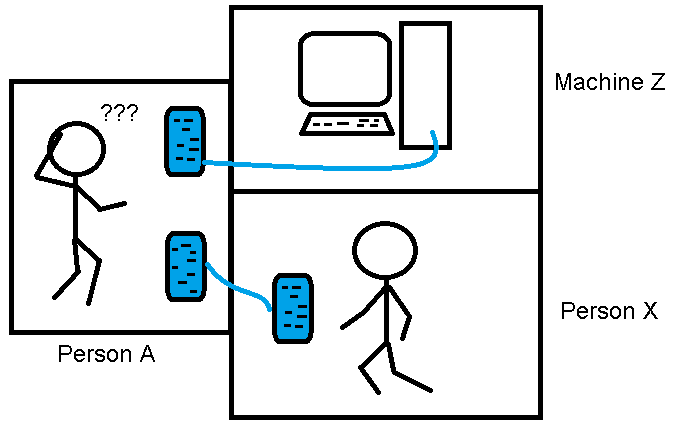
Evidently, realistic human interactions continue to be a key consideration for many. This phenomenon can be better explained by Turing’s test where “the machine passes as “intelligent” if, during a text-based chat, it can fool us that it’s human.”

In conclusion, the lack of understanding communications between ourselves & chatbots (just recall the frustration you’ve had when these bots answered everything but your question) and our need for humane interactions, I’d say that Chatbots still have a long way to go.

Social Media Marketing – The Importance of ROI

Return on Investment, otherwise known as ROI, is not an unfamiliar term. To simply put, it is a key performance indicator used to evaluate the efficiency of an investment relative to the costs involved. While in financial terms, this may be expressed as a mathematical formula

ROI = (Current Value of Investment – Cost of Investment) / Cost of Investment

the ROIs involved in Social Media Marketing differs.

Montenegro (2018) mentions the importance of providing clear metrics on brands’ social media ROI. She elicits 2 key steps to doing so: (1) Determining Your Goals and (2) Benchmarking Current Measurements.

During my internship with Vintedge this summer, the same sentiments were shared by our Senior Management. He cited an example from Canon’s eSHOP.

To elucidate, the goal was to analyse the engagement of the brand’s tutorial-style blog posts relating to photography tips, tricks and trends. From this perspective, possible metrics for evaluation include: (1) time spent on site, (2) number of likes and (3) number of shares. Findings from these metrics underlined the popularity of travel content – which was later used as a justification to pursue creating more travel content on other social media platforms such as Facebook and Instagram.

Design a site like this with WordPress.com
Get started